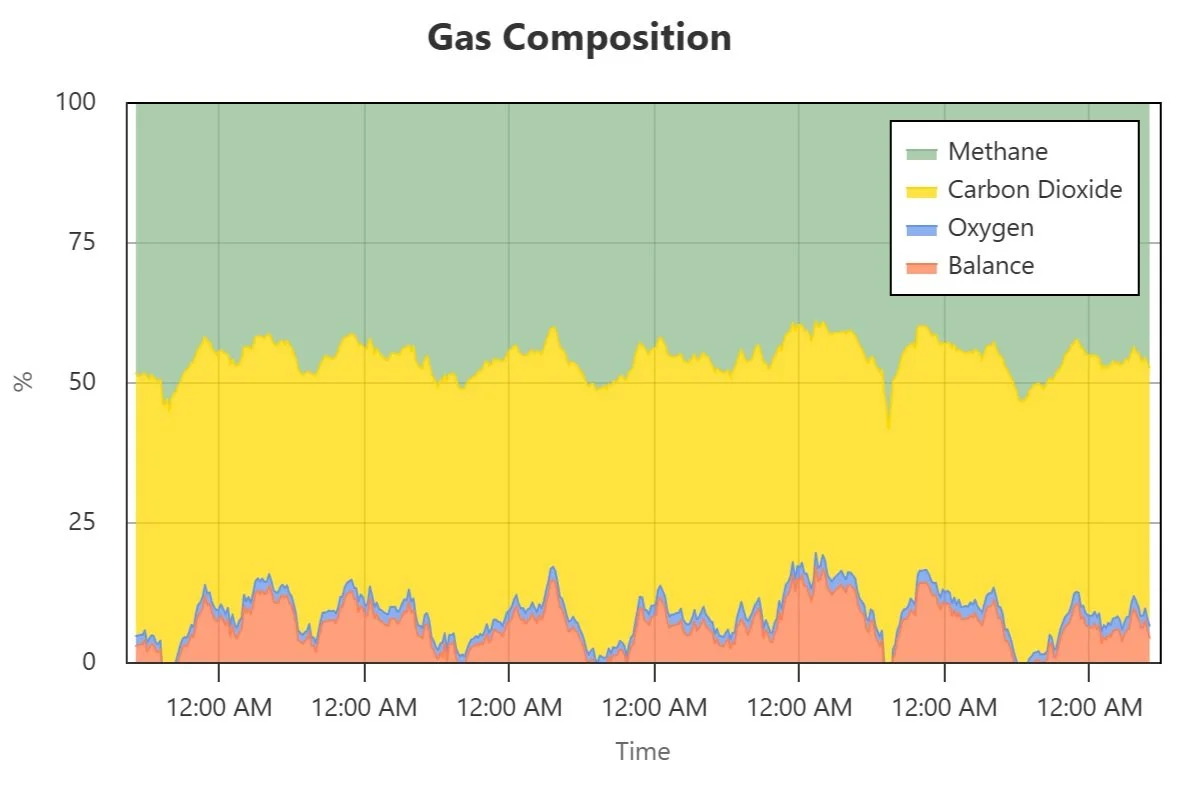
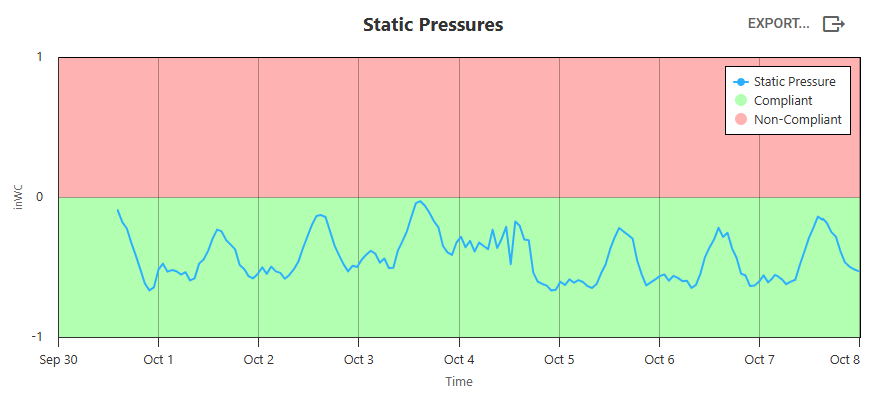
Landfill Gas Management Equipment
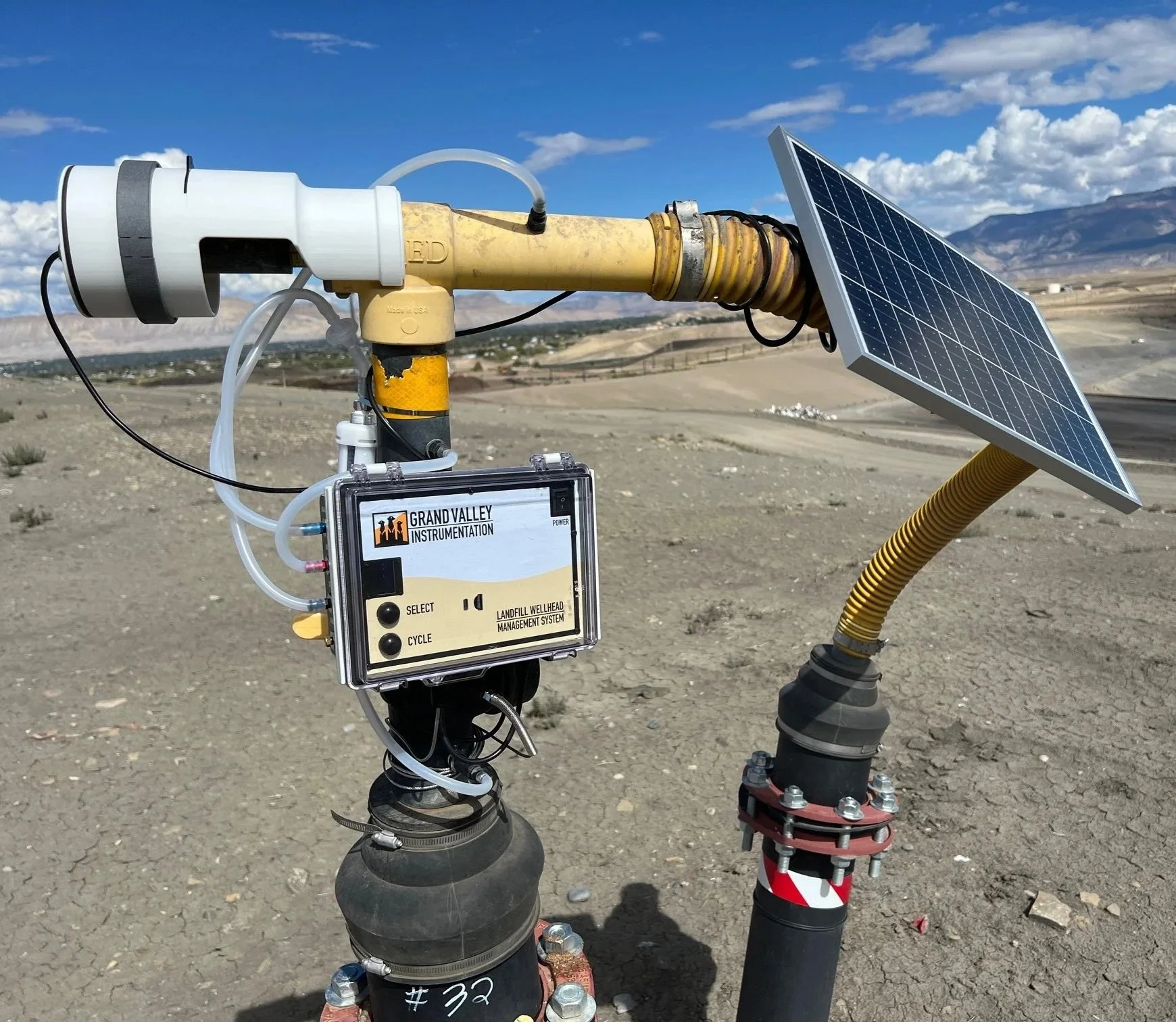
Image Credit: The Business Times

Landfill Wellhead Monitoring and Tuning
The future of landfill management is here.
The Meerkat System automatically measures gas, pressure, temperature, flow, and composition, then adjusts vacuum pressure in real time to keep the entire wellfield balanced. By maintaining optimal conditions across the field, Meerkat improves gas capture, reduces emissions, and eliminates the need for constant manual tuning.
Patent-Pending.
Landfill Gas Management
Landfills manage gas through what’s known as a Gas Collection and Control System, or GCCS. The system consists of perforated pipes buried within the waste mass and connected to a vacuum that draws gas to a flare or energy recovery facility. The flow of gas is regulated by wellheads, and large landfills can have hundreds of them. Operators currently sample and adjust these wells manually on a regular basis, which is time intensive. Tuning is also difficult because changes at one wellhead can influence nearby wells, and the effects of adjustments may take several hours to appear.
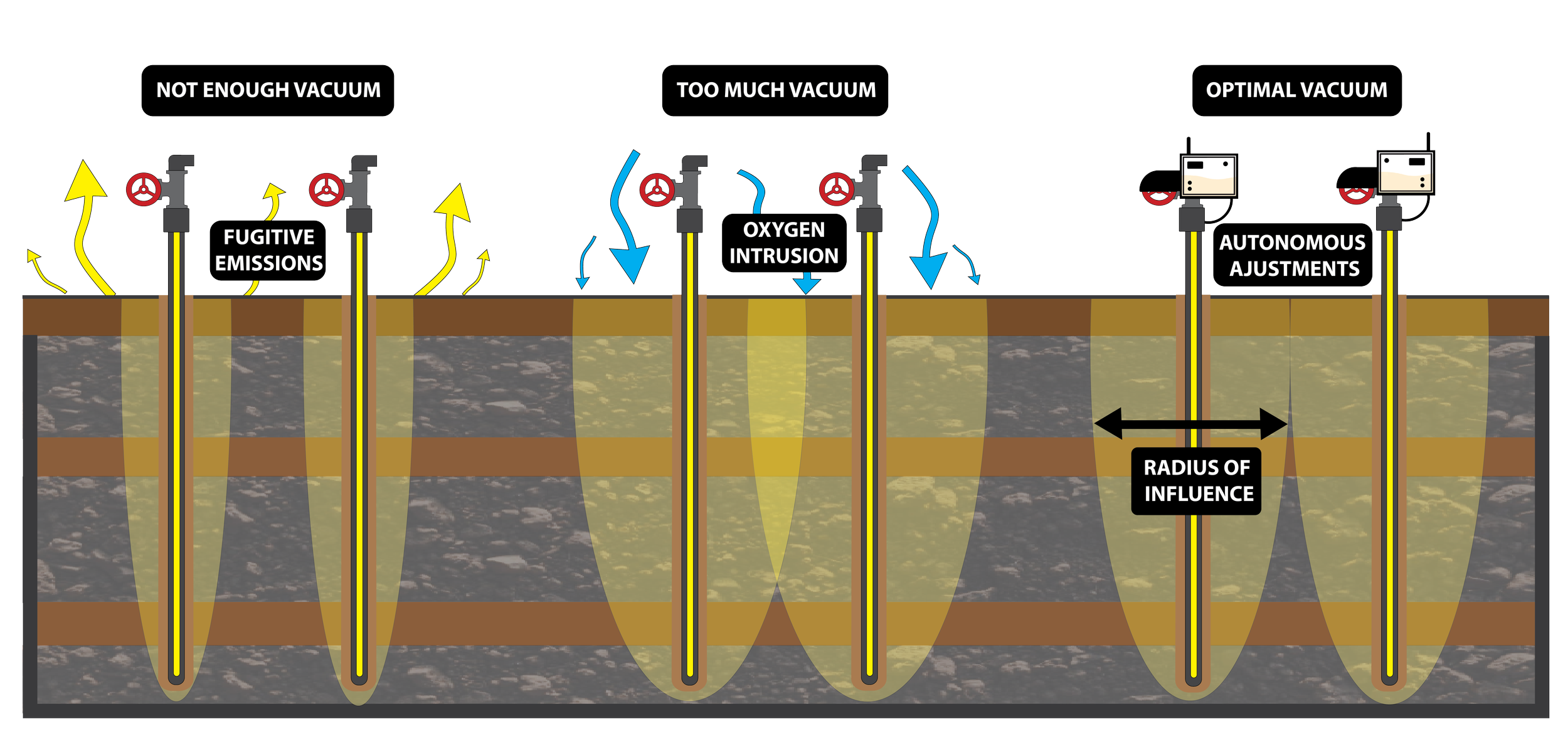
Influences on Wellhead Vacuum Pressure
Landfill wellheads are influenced by a variety of factors, not only the settings of neighboring wellheads but also atmospheric influences such as barometric pressure, temperature, and moisture. The settings in these wellheads continuously fluctuate, and imbalanced vacuum pressure can have serious operational and safety consequences.
Insufficient Vacuum
Weak vacuum at wellheads allows fugitive emissions to escape into the atmosphere. Composed mostly of carbon dioxide and methane, landfills are cited by the EPA as the third largest source of human related methane emissions. These emissions create odors and can allow carcinogenic compounds, such as benzene, to migrate into nearby neighborhoods.
Excessive Vacuum
When the vacuum at a wellhead is too strong, oxygen from the atmosphere can be pulled into the waste mass. This not only reduces the production of usable gas but also poses safety risks. Oxygen mixed with methane can trigger oxidation and unwanted thermal activity, creating the conditions for a subsurface fire.
Continuous Tuning
By monitoring and adjusting in real time, the Meerkat System keeps the wellfield balanced, reducing safety risks and emissions while increasing gas capture for renewable energy projects by an estimated ten percent. This results in additional revenue for landfills and reduces labor costs from manual fieldwork.
Remote Monitoring
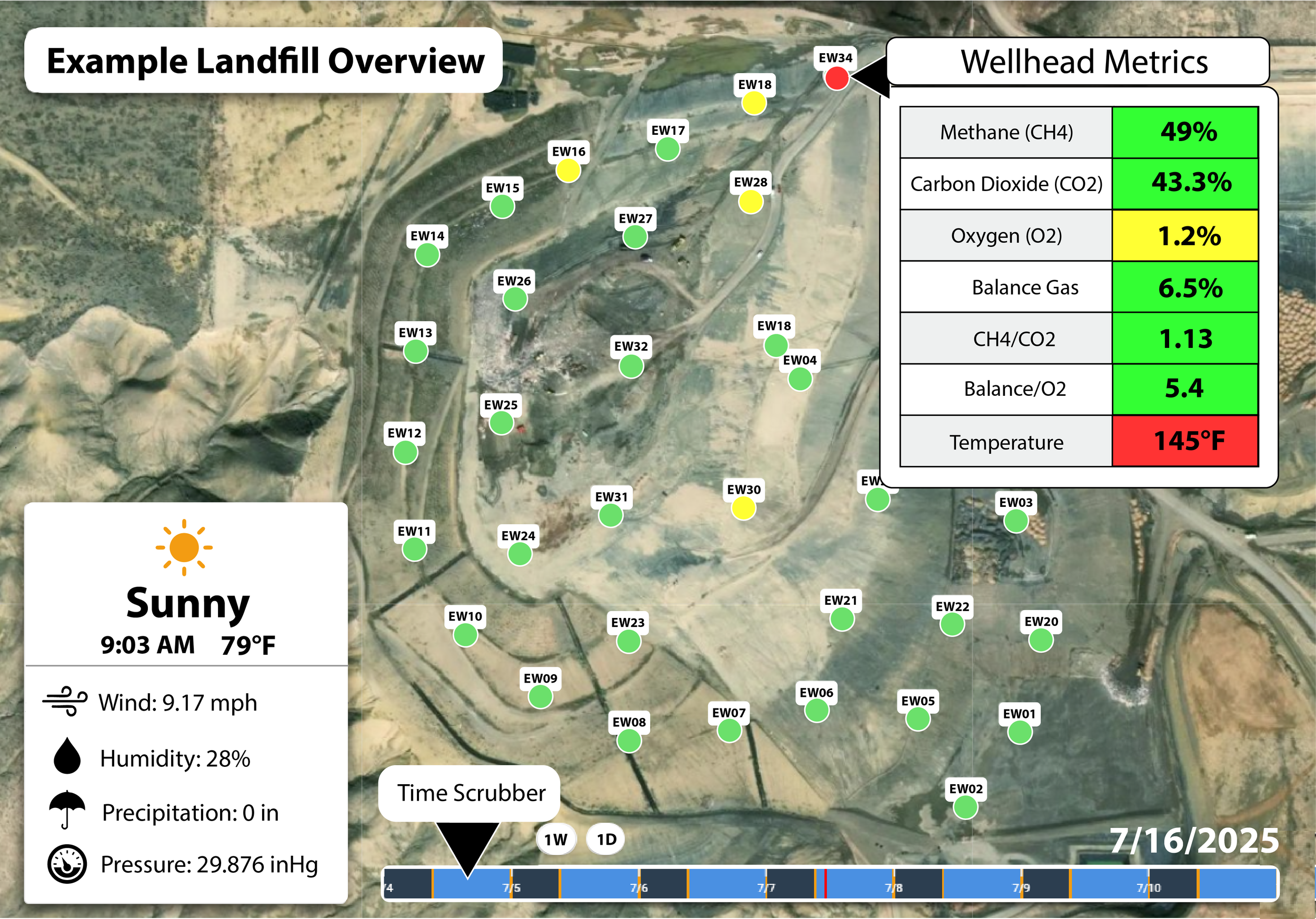
The Meerkat System connects to our cloud platform so operators can monitor and control the wellfield remotely. Live wellhead data and historical trends are available through a secure dashboard with tools for alerts, user management, and compliance reporting. The platform supports automatic control adjustments, multi-site management, and data export. When paired with an on-site weather station, it correlates performance data with atmospheric conditions.